

In 2024, the Institut Guttmann Foundation has maintained its commitment and support to associations of people with disabilities, especially those that form part of its Social Council.
Highlight the dissemination campaign for the modification of Article 49 of the Constitution that replaces the term “disabled” with “persons with disabilities. This change represents an advance for persons with disabilities and for society in general, since language has the capacity to construct realities and the way in which we express ourselves is a reflection of our values and our attitudes. Disability (CDPD) of the United Nations (2006), which establishes that disability is a concept that evolves and results from the interaction between people with deficiencies and barriers due to attitude and environment that prevent their full and effective participation in society, on equal terms with the rest.
- In relation to the associations of people with disabilities that are part of the Social and Participation Council of the Institut Guttmann, we have organized a thematic session led by Professor Joan Subirats who held a conference on “How to place the rights of people with disabilities in the political and social agendas” and for about an hour he gave an interesting analysis of the annual social and political situation, incisive and being more present in the national and European political agenda. In this same meeting, the results of the evaluation of the impact on the entities of the Seminar “New leadership to promote social innovation” and of the evaluation of the usefulness of the thematic session 2023 on the personal assistant and SR will be presented. David Bonvehí spoke about the change in legislation in relation to the protected assets of people with disabilities.
4th volume of the collection “Social Innovation and Disability” with the title “New leadership to boost social innovation”
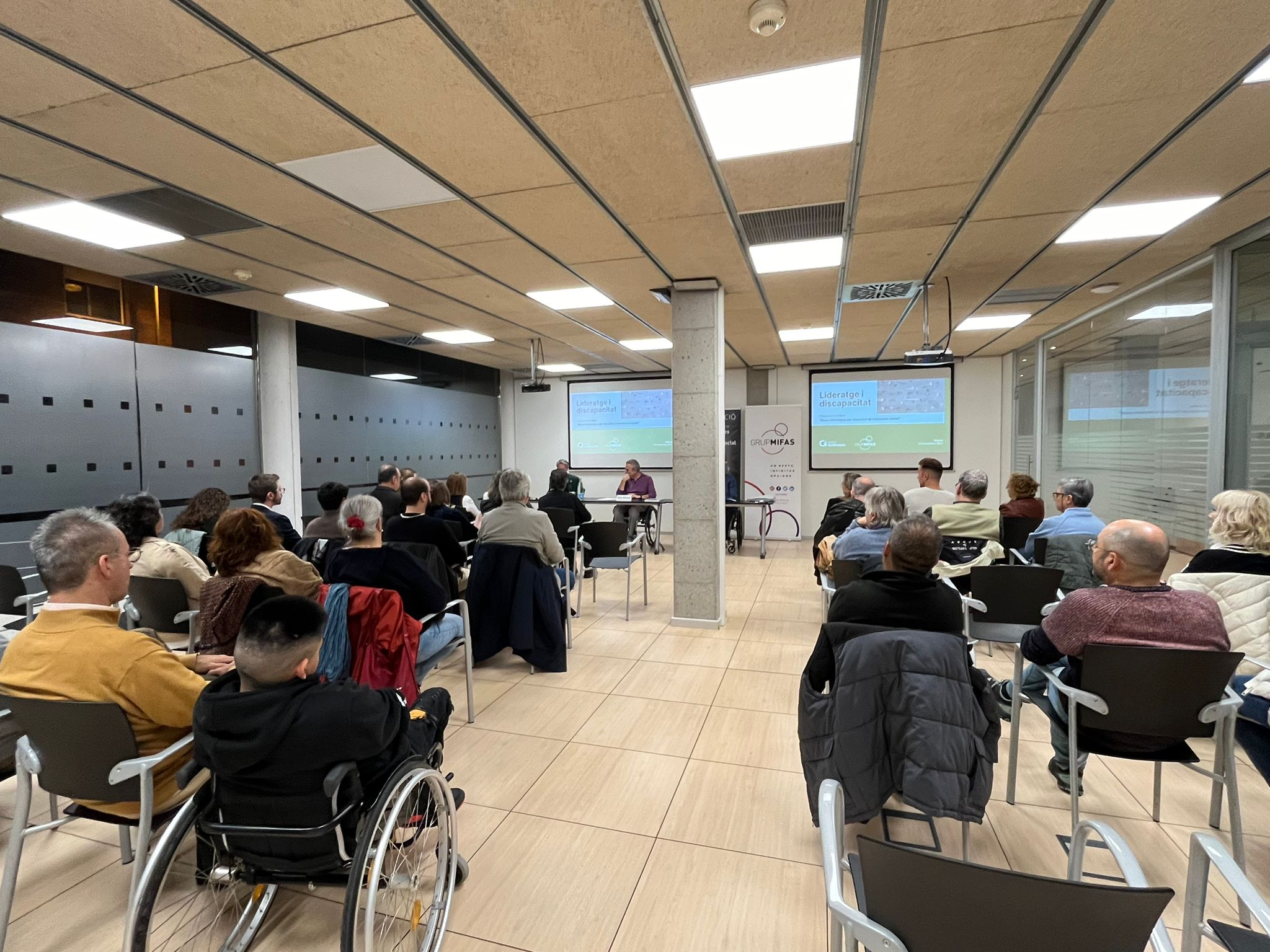
In 2024 we have published the 4th volume of the collection “Social Innovation and Disability” with the title “New leaderships to boost social innovation” as a result of the holding of the seminar with the same title. At the end of 2024, various presentations have been organized in Girona, Lleida and Barcelona with the help of MIFAS, ASPID and ECOM respectively. The presentation acts had an important participation of authorities and representatives of public administrations such as the Generalitat de Catalunya, the Diputación de Lleida, delegates from the Government, Barcelona City Council and IMPD.

PARTICIPA
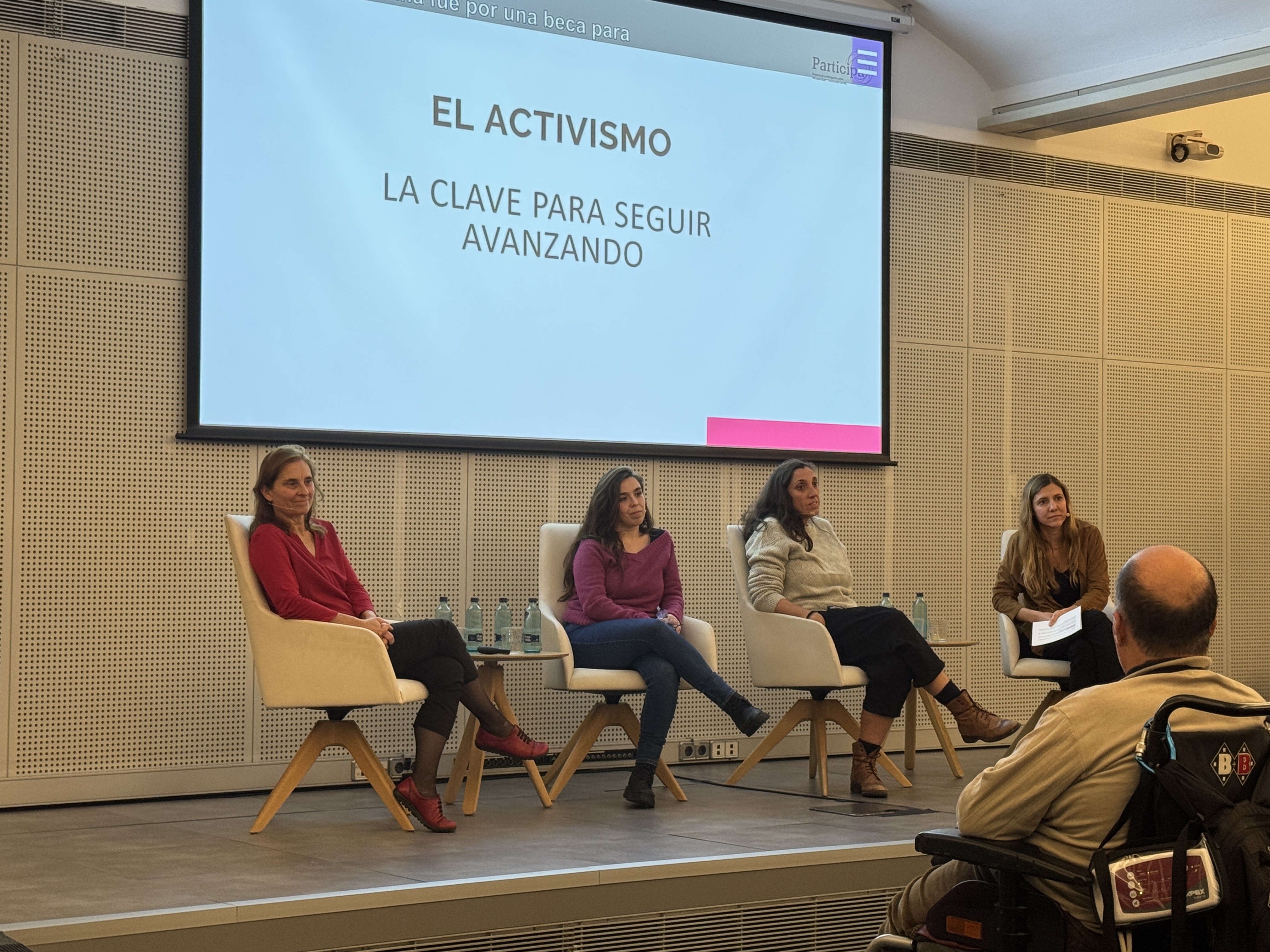
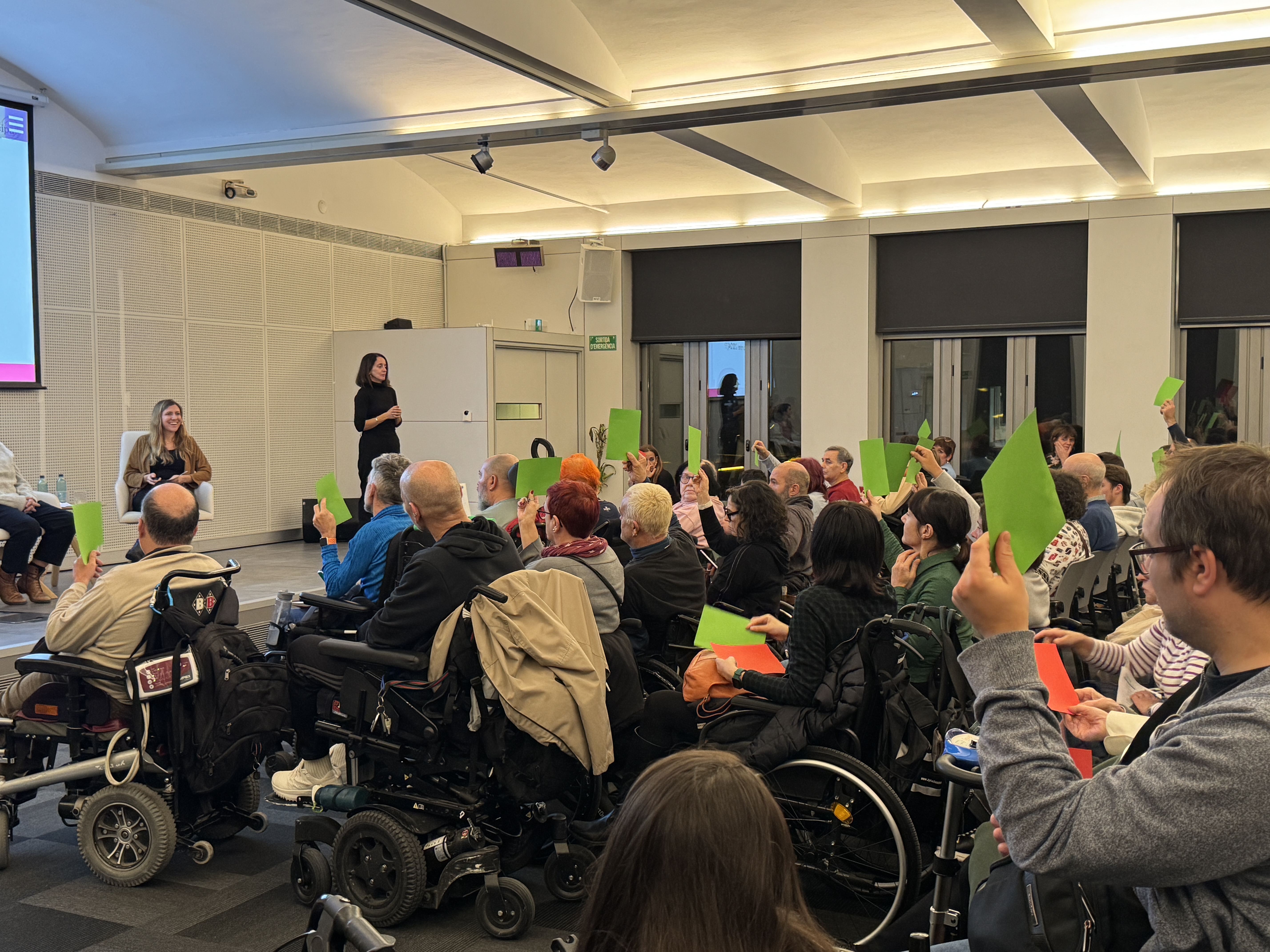
The PARTICIPA Social Research project has held the 5th meeting of the PARTICIPA Project Advisory Group in 2024. During the session, the new functionality of the web was shown that allows users to consult the results in real time through a personalized section, as well as new results obtained with an intersectional perspective and longitudinal analysis.

1st report of the PARTICIPA project
The first report reveals numerous barriers that decrease the quality and quantity of participation in society by persons with disabilities.
After more than 2 years collecting data from a cohort of more than 2,000 disabled people living in Spain and Andorra, the Guttmann Institute’s PARTICIPA project reveals in its first report numerous barriers that significantly reduce the quality and quantity of disabled people’s participation in society, revealing traditionally traditional factors. the lack of decision-making capacity regarding free time, among others. Thus, 15.8% of people with disabilities feel “isolated”, 17.3% perceive that people are “around them, but not with him or her” and less than half (46.9%) can always or almost always choose how to spend their free time. And all these factors, the report indicates, are due to the existence of barriers in the environment.
The research team has detected barriers to access to housing, not just their own: 62.6% of the participants have difficulties accessing the homes of relatives or friends. One of the consequences is, for example, that 13.6% of people with disabilities state that they never or rarely find company when they want it.
“These results derive from a reality, which is that disability is constructed socio-spatially, so that both the physical environment and the interpersonal can place out of place those subjects who do not adapt to the ideal human standard, which is generally a man, white, with a high socioeconomic level and without disability”
II Meeting of Volunteers
On November 28, 2024, this social event was held in Caixa Forum to discuss the importance of physical activity and culture.