


The Institut Guttmann Foundation is a private, non-profit, non-denominational social initiative driven by Catalan civil society and an effective example of public-private cooperation. It is registered under number 189 in the Register of Private Foundations of the Department of Justice of the Government of Catalonia. Classified as a charitable organization of an assistance nature since 1965, it is included among the entities eligible for patronage benefits in accordance with Law 49/2002 of December 23, “on the tax regime of non-profit entities and tax incentives for patronage.” Since its establishment in 1962, the Foundation’s Articles of Association have defined its objectives and operations.
“Guttmann is a non-profit organization whose main objective is to promote, encourage and achieve the comprehensive rehabilitation of people affected by a spinal cord injury, acquired brain damage or other disability of neurological origin, to develop research and teaching in this field of neuroscience, and to provide them with support and services; to ensure their rights and an effective equality of opportunity.”
Article 7 of the Statutes of the Institut Guttmann Foundation


Mission
A highly specialized, non-profit organization that aims to:
- Excellence in Neurorehabilitation to provide, at all times, the best specialized care, as well as the promotion of brain health, in a personalized, comprehensive, continuous manner and with the highest human, scientific and technical level.
- The Generation of Knowledge to promote, as a University Institute attached to the UAB, the development of academic and research aspects in neuroscience in general and neurorehabilitation in particular, with the aim of transferring this knowledge to society through innovation models that improve the quality of life of people, while promoting entrepreneurship projects in these areas.
- The Commitment to Society to contribute, as a Social Initiative Entity, to making effective the exercise of the rights of people with disabilities through the promotion and development of prevention, support, dissemination and social awareness activities and, at the same time, collaborate with the associations that represent them.
Vision
To become a leading institution in the knowledge and practice of Neurorehabilitation and Brain Health at a national and international level
We aim to distinguish ourselves through excellence in providing the best and most innovative treatments based on scientific evidence and pioneering research in the field of neurorehabilitation and brain health, becoming a national and international leader in the field.
We strive to be an organization capable of promoting continuous innovation in techniques, procedures, and technologies within our scientific area of expertise, fostering strategic collaborations with other centers of excellence, universities, companies, and internationally renowned experts to enhance our scientific and clinical progress. Our aspiration is to be a model of reference and trust, inspiring other institutions in the field of neurorehabilitation.
Moving towards value-based care means being recognized not only for the quality of our healthcare, but also for our ability to generate a positive and lasting impact on the lives of patients, professionals, and society as a whole, achieving the best outcomes based on patient experience and optimizing resources to offer the most effective and efficient treatments.
Advancing this model of care implies a commitment to evolving in two key areas: humanization and digitalization.
- Humanization, understood as a more participatory relationship model that gives a voice to those receiving care and promotes shared decision-making as a basis for reviewing and redesigning current performance indicators.
- Digitalization, as the development of a robust data structure and the integration of digital technologies across all areas of the organization to facilitate a shift in service management and delivery. The ultimate goal is to offer more personalized, effective, and efficient care, with a clear focus on the individual.
To ensure an excellent team of competent, competitive, and committed professionals; individuals with strong interpersonal skills, approachable to the people they serve, professionals eager for professional growth, accustomed to teamwork, capable of sharing objectives and embracing challenges.
In short, a team that, while embodying the institution’s values, possesses strong leadership skills to face future challenges.
Growing as a Sustainable Organization Environmentally, Socially, and Economically
This concept implies that the institution adopts practices and policies that promote sustainability in all three institutional dimensions:
- Environmentally, we strive to adopt environmentally responsible practices, reducing the environmental impact of our activities and promoting a reduction in our carbon footprint. This integrated approach, framed by the 2030 Agenda and directly involved in 15 of its Sustainable Development Goals (SDGs), ensures a fairer and healthier future for all, contributing to global sustainable development.
- Socially, we are committed to the well-being of our professionals, patients, and the community, promoting inclusion, equity, and social justice by operating with high ethical standards and transparency.
- Economically, we seek efficiency and innovation to maintain a sound financial position.
To be a socially respected institution, especially by the people to whom it dedicates its daily care and who constitute its primary reason for being, and by their families, whom it supports during difficult times in their lives.
We also wish to be recognized by associations of people with disabilities, to whom we offer our collaboration to contribute to the better achievement of their objectives; by the scientific community in general, which helps us to grow and become more effective in our care activities; as well as by public institutions, with which we collaborate actively and loyally based on our own convictions and positions, and by the rest of civil society, of which we wish to remain an active and committed member, dedicated to social progress.
Values
EMPATHY
An approach that prioritizes understanding and emotional support for patients and families during vulnerable times.
EXCELLENCE
Strengthening high standards of quality in management, treatment, and rehabilitation, always based on scientific evidence, professional excellence, and innovation to achieve the best results.
AUTONOMY AND EMPOWERMENT
Supporting patients in regaining their independence and autonomy and building their life project.
COHESION
Interdisciplinary professional collaboration and effective teamwork to guarantee comprehensive and coordinated treatment.
ADAPTABILITY AND INNOVATION
The continuous incorporation of technological innovation to improve processes and outcomes toward our objectives.
SOCIAL COMMITMENT
The shared responsibility that drives us to be an open, innovative institution focused on positively impacting people and contributing to a more just and inclusive society.
ETHICS AND SUSTAINABILITY
The integration of ethical principles and environmental, social and economic sustainability into decision-making, acting with responsibility and transparency.
Governing and management bodies
Renewal of the Board of Trustees of the Foundation
The Board of Trustees is the highest governing and representative body of the Foundation, responsible for safeguarding, interpreting, and developing the founding principles expressed in its Statutes.
In June, Ms. Núria Basi was appointed as the new Chair of the Board of Trustees, succeeding Dr. Antoni Esteve, who had been a member for 16 years and Chair for the last four. This marks the beginning of a new era of leadership that combines continuity and renewal.
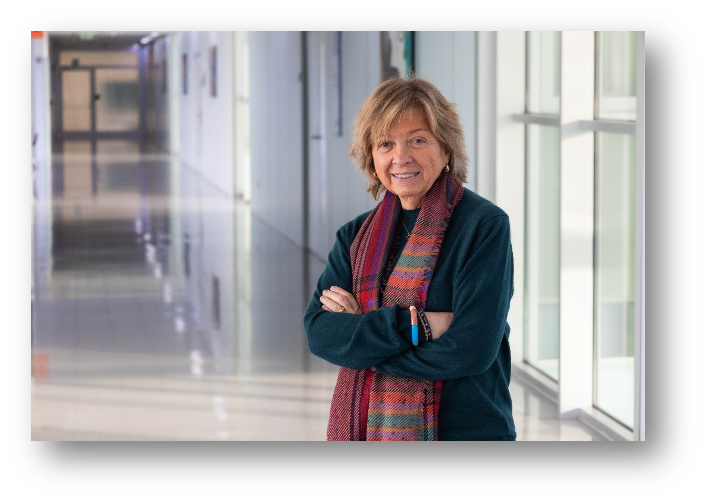
The new president, a member of the Board of Trustees since 2013, expressed in her inaugural address her commitment to ensuring the project’s continuity, good governance, and forward-looking vision. She also pledged to maintain Guttmann’s reputation for sound management, particularly under the co-executive leadership of the past three years, with Dr. Bernabeu and Ms. Caldés at the helm.
In addition to the presidency, new positions and members were appointed: Ms. Mónica Terribas continues as first vice president, while Mr. Antoni Vilà assumes the second vice presidency and Mr. Manel Peiró the secretaryship. Also joining the board as new trustees are Dr. Ángela Domínguez, professor at the Faculty of Medicine of the University of Barcelona (UB) and an expert in preventive medicine and public health; and Mr. Josep M. Martorell, a graduate in Physical Sciences from the UB and PhD in Computer Science from the URL, former associate director of the Barcelona Supercomputing Center and former director general of Research for the Government of Catalonia. In this context of renewal, Dr. Jordi Sierra was thanked for his departure from the board after four years of service.
Our sincerest appreciation to Dr. Antoni Esteve for his work leading the Board of Trustees for the past four years. We also remember with affection and gratitude the legacy of Mr. Josep Giralt, who passed away last year, a trustee and social activist deeply committed to the rights of people with disabilities.
The composition of the Board of Trustees is published on the institution’s website.
Executive Management
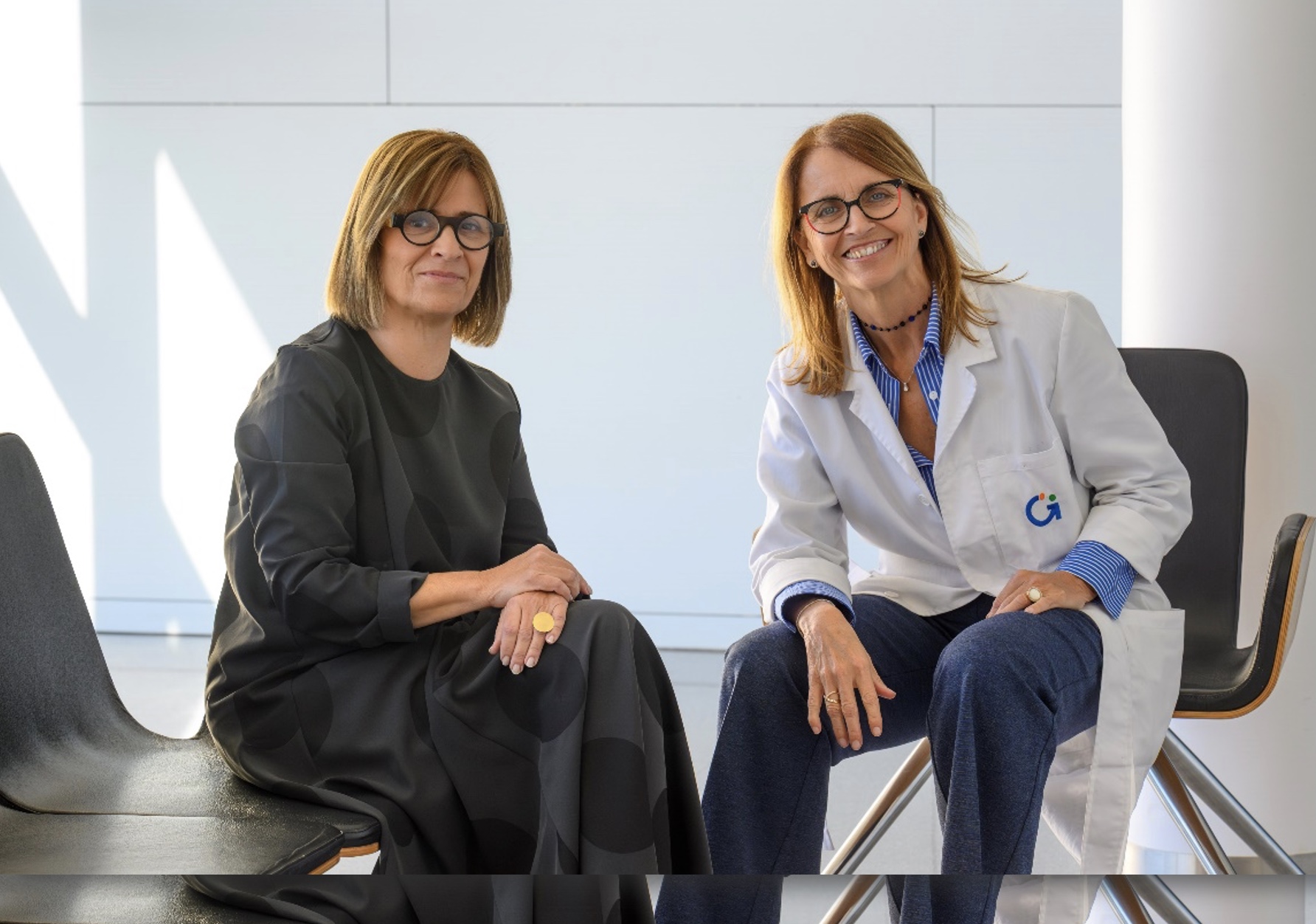
The executive direction of the Foundation is carried out by two Co-Directors, Ms. Montse Caldés and Dr. Montserrat Bernabeu, the first case of female co-directorship in our country, with whom our organization maintains a firm look towards the future with the commitment to continue being an organization of excellence, committed to people with disabilities and health in general, promoter of research and teaching in this neuroscientific field and promoting society. fraternal.
This co-leadership leads the management team made up of the professionals responsible for the main areas of the organization. The management team is responsible for defining and enhancing the organizational culture, promoting strategic plans and leading the actions derived from the specific mandate of the Board of Trustees.
Additionally, the institution is structured into various committees and commissions created to monitor specific issues.
The composition of the Management Team is published on the institution’s website.
Advisory bodies
Social and Participation Council
The Social and Participation Council of the Institut Guttmann Foundation is an advisory body attached to the body responsible for management.
To deepen its social commitment to people with neurological disabilities, while also fostering greater interaction and cooperation with the associations that represent them, Guttmann created the Social and Participation Council in 2004; an initiative that promotes the participation and shared responsibility of all stakeholders involved in the foundation’s activities.
The composition of the Social Council is published on the institution’s website.
Joint Commission Guttmann – UAB
It is the body responsible for planning and monitoring the academic and scientific activities of the Guttmann University Institute of Neurorehabilitation. It is composed of three representatives from Guttmann and three from the University, in order to coordinate the relationship between the two entities.
The composition of the Committee is published on the institution’s website.