
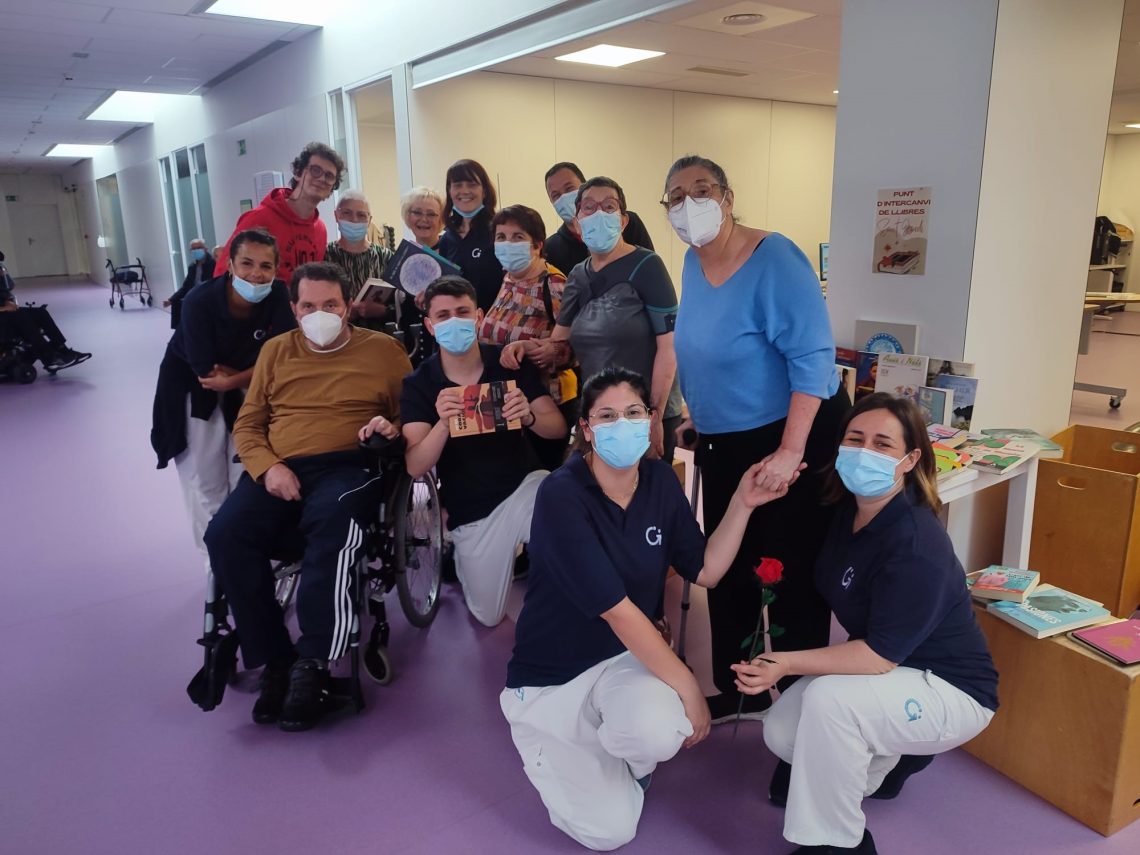

To humanize is to recognize the role played by the patient and the family in the healthcare process and to make them participants, providing them with the appropriate information so that they can proactively participate in decision-making. It is also treating people as subjects capable of making decisions and with the capacity to participate. As far as possible, humanizing will consist of making the patient responsible for his health process, avoiding paternalistic care relationships. It is understanding that patients are people with rights, responsibilities and freedom of decision.
Humanizing means putting the patient at the center of our attention and strengthening their personal autonomy to have active and empowered patients.
At the Institut Guttmann we want to listen to the deep needs of patients and together with them transform the healthcare context to achieve better results in health and well-being. Therefore, by placing the patient and their family at the center of our care, we want to give them a voice and an active role in the entire healthcare process. This will allow us to better understand the patient’s perception and needs and, consequently, introduce improvements in clinical care, patient safety and the effectiveness of rehabilitation treatments.
Humanizing also means putting the focus on professionals, who are the main humanizing agents, and, therefore, it is necessary to promote their education and training, promote adequate communication, guarantee a good working climate, and encourage their participation.
One of our main challenges as an organization is to improve the humanization of care at the Guttmann Institute and the promotion of the empowerment of patients and families.
From the Guttmann Institute we work to ensure that people with disabilities achieve the highest possible level of personal autonomy, greater quality of life and full inclusion and social participation.
The 5 axes of our Humanization Plan
1. The culture of humanity
Creating a humanizing culture implies taking care of managing changes in: attitudes, uses, customs and styles, individual and group behaviors, etc., with the objective of guiding all people towards more humanized attention and achieving better results. experience of patients and six families.
2. Information and personal support
Personalized attention is a key element for the majority of humanity. Recognizing the uniqueness of each patient implies offering individualized responses to their various needs and expectations, as well as providing proactive and effective information and promoting shared decision-making.
3. Humanitization in assistance and hospitalization
Hospitalization is an intense experience on an emotional level for both the patient and the families. Therefore, important aspects such as: the quality of the physical environment, the quality of care for patients, family members and companions, the comfortable spaces, the quality of the rest of the hospitalized patients, the support and accompaniment, the preservation of the intimacy of the patient and/or the entertainment and emotional well-being, among other aspects that we work every day to enhance the experience of these people.
4. Humanization of childhood assistance
The Institut Guttmann is committed to coordinating the family and other community agents as a fundamental element for comprehensive and personalized child care. On the other hand, for long hospital stays it is considered of great importance to facilitate the adequacy of infrastructures and to provide friendly environments for infants, as well as to protect their emotional well-being through recreational and social activities.
5. Humanization of management
We do not understand a humanitization project that does not contemplate actions against our professionals with the objective of actively supporting the various concerns and responding to the actions of most of the labor relations. Tanmateix, we will continue to promote training for professionals and develop actions for the improvement of communication and interpersonal relationships.
The Technical Conferences of the Institut Guttmann dedicated to Humanization
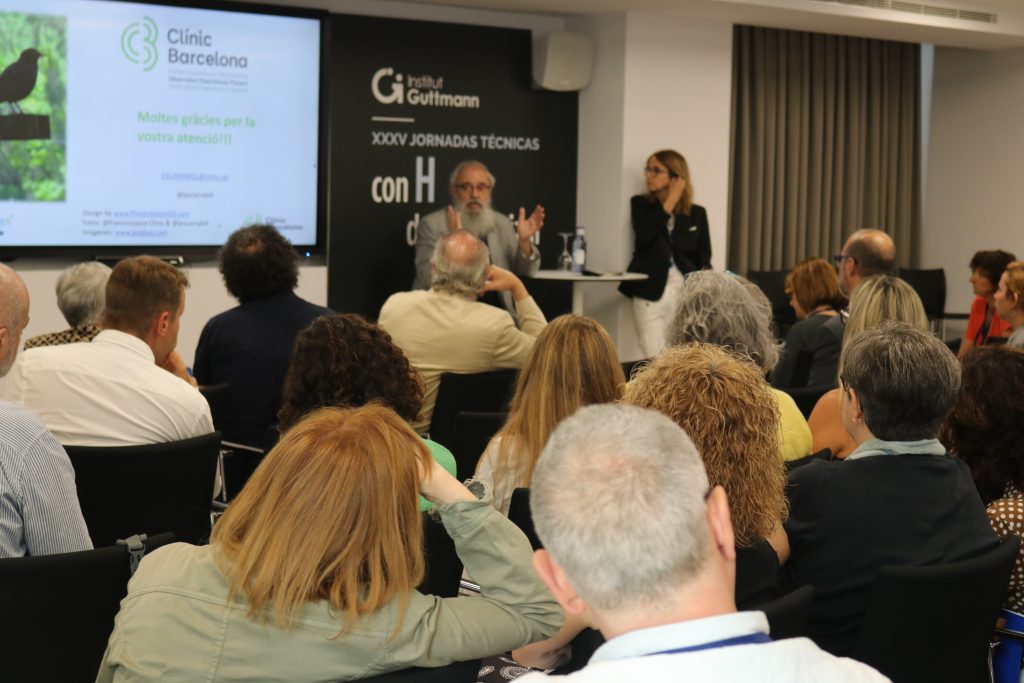
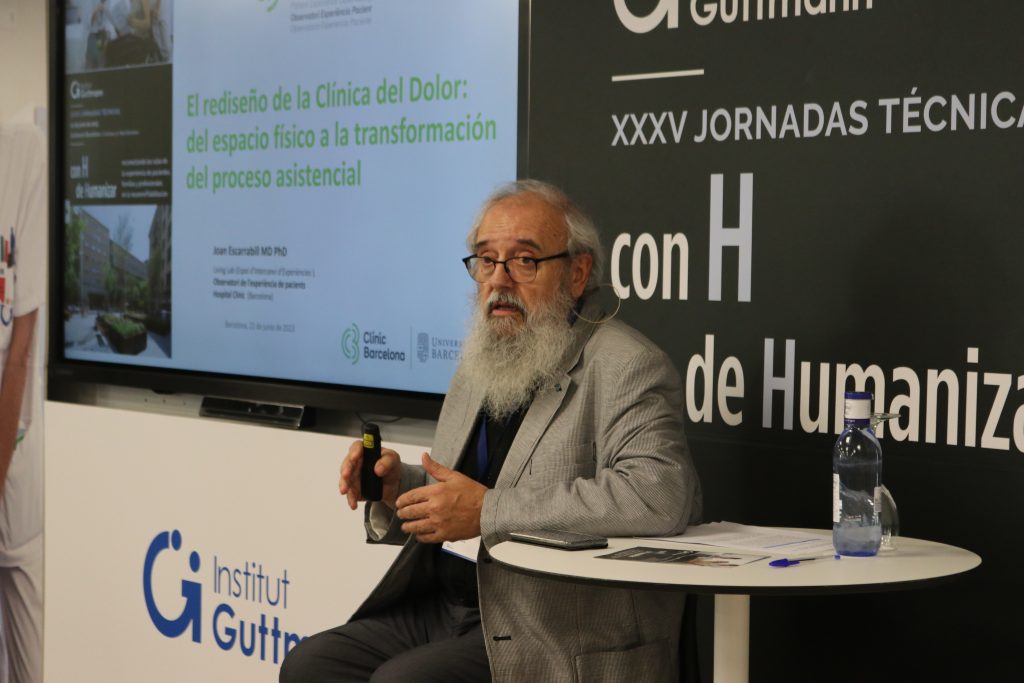
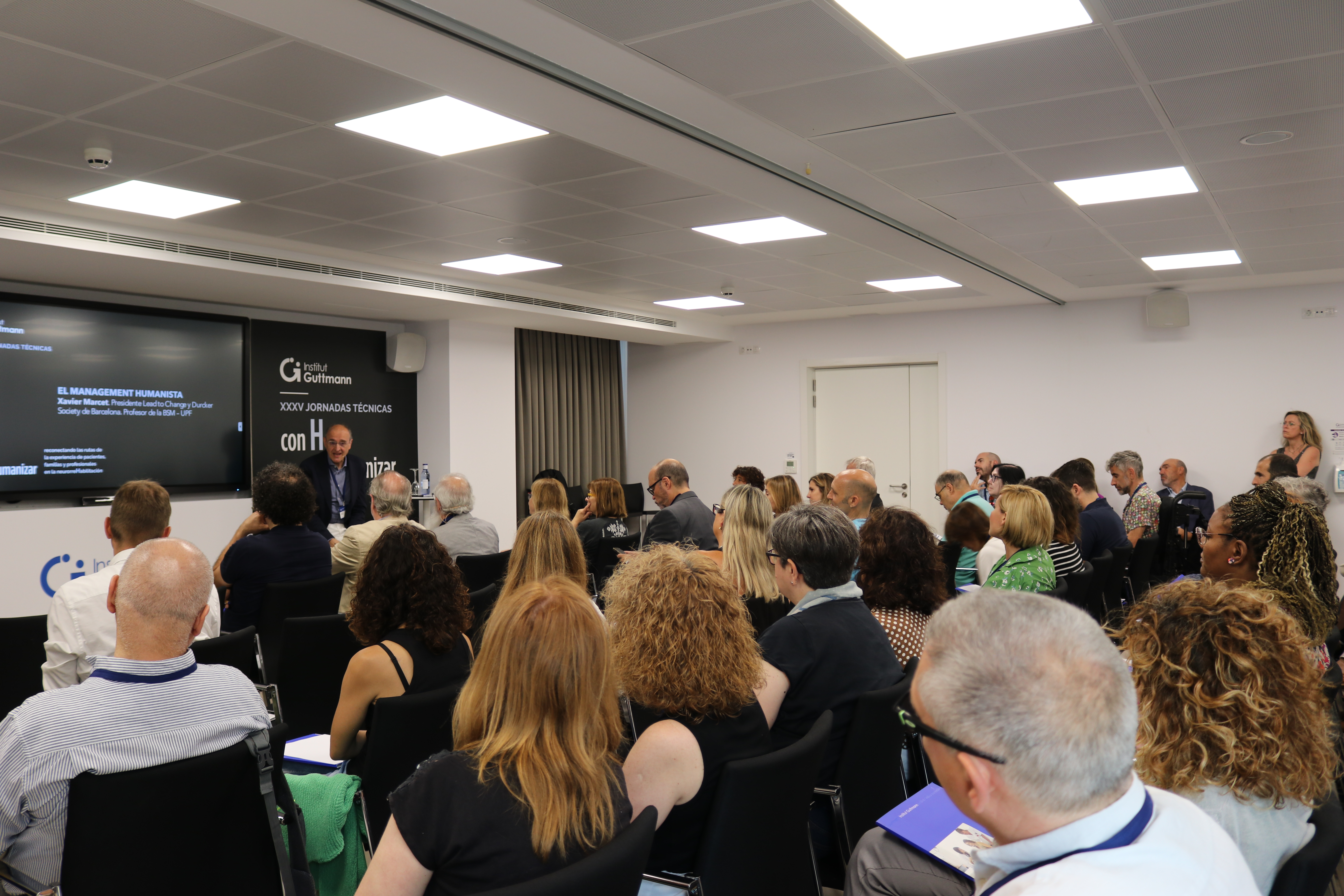
On June took place the XXXV edition of the Institut Guttmann Technical Symposia with the motto “Amb H d’Humanitzar”. The day, inaugurated by Xavier Marcet, expert in strategy, innovation and transformation of organizations, will include experts in the management of the connection, the XPA and the Humanization of different organizations.

Humanization in spinal cord injury
The Manual of Good Humanization Practices in Spinal Cord Injury, a document that establishes the strategic lines and bone practices necessary to achieve humanized spinal injury units (ULMs). The initiative is part of HUMANIZALE, a project promoted by Hollister and EVEN- Neurogenic Bladder Expert Group. The presentation is going to complement the inauguration of the photography exhibition More human than ever. Beyond Spinal Injury, a tribute that shows people in their roles as patients, medical or nursing professionals at the Guttmann Institute.