
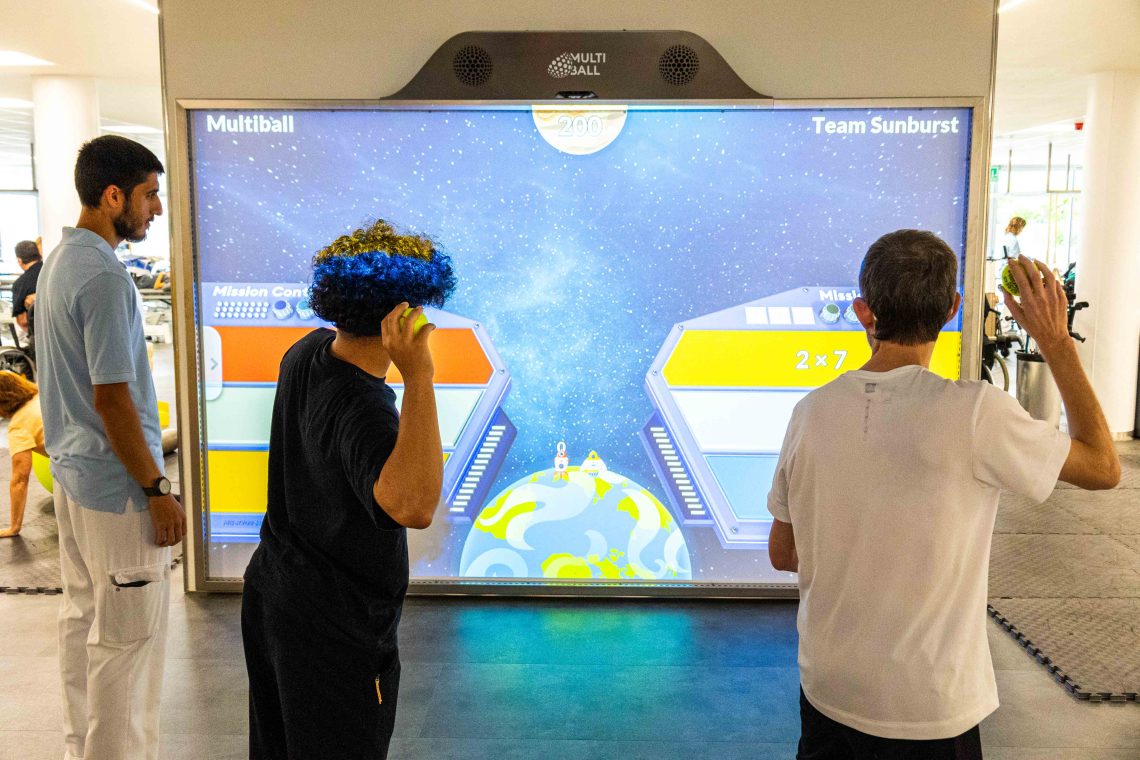


During 2023, the University Institute has promoted, as a research center, the translation of research results into the clinic and has boosted healthcare innovation processes to reinforce our commitment to offer the highest scientific and technical level in each of the strategic research lines.
The confluence between the Specialized Hospital -Center of Excellence- and the University Institute of Neurorehabilitation -Knowledge Center- makes it possible to optimize the generation and transfer of new knowledge in this specialized field of science.
To be an International Referent in Neurorehabilitation, the Institut Guttmann works to generate and transmit new knowledge and continuous innovation in the techniques, procedures and technologies specific to its field of scientific knowledge and neuroscience in general, through the promotion of a network of cooperation open to the participation of other centers of excellence, universities, technological centers, companies and entities, national and international.
COMPETITIVE PROJECTS
In relation to competitive projects with external funding, it should be noted that in 2023 we have submitted 19 proposals to competitive calls for funding research and innovation projects, addressed to different national and international bodies. Of these, we obtained a positive result in three of the presented:
At the level of Catalonia, in the framework of public subsidies:
- As part of the research program in Neurostimulation and Neuromodulation at Dr. Dolors Soler and his team have been awarded the 3rd Mike Lane Scholarship which promotes the association Castellers de la Vila de Gràcia. The presented project, “Development of a predictive model of response to a neuromodulation treatment for a better management of neuropathic pain after spinal cord injury”, aims to develop a predictive model of response to a neuromodulation treatment (tDCS) in patients with neuropathic pain after spinal cord injury, based on recordings of electroencephalographic (EEG) signals and extensive clinical examination.
- It should also be noted that this year we obtained the Research Grant in Bioethics awarded by the Víctor Grífols Foundation for the project “Neurociencia, filosofía y educación; a meeting for patients with neurological lesions to discuss the disease with scientists in training”. The proposal is led by Dr. Guillermo García, from the Institute of Neurosciences of the UAB; and, in addition to us, groups from the University of Vic and the University of Barcelona also participate. The purpose of this work, which will last one year, is to promote the ethical spirit of future researchers, and with this intention interviews will be arranged between patients with different neurological pathologies, groups of students from the Master’s in Neurosciences of the UAB and clinical staff, in which students can ask questions and learn more about the daily reality of these patients.
At the level of the Spanish State, in the framework of public subsidies:
- It has been approved and subsidized by the Ministry of Science and Innovation, in the framework of the call for projects “Generación de Conocimiento”, the project to BrainHealth: “Psychological and lifestyle factors that predict adherence to multimodal interventions for the promotion of Brain Health“. It is a project coordinated with the Polytechnic University of Madrid, which will last 3 years, and which addresses the challenge of understanding and preserving the health of the brain during the course of life, in an increasingly aging population .
The Institut Guttmann works mainly in 6 strategic lines of translational research and innovation.
During the year 2023 we have worked on 56 research projects, 27 Studies and 7 Clinical Trials.
Distribution of research projects between the different programs:
| P1 Technologies for sensory-motor rehabilitation and support products | 12 |
| P2 Neurorepair and advanced therapies | 9 |
| P3 Neuropsychological rehabilitation and cognitive stimulation (GNPT®) | 6 |
| P4 brain Health (Barcelona Brain Health Initiative) | 10 |
| P5 Neurostimulation and Neuromodulation | 5 |
| P6 Social Research -QVIDLAB- | 14 |
In relation to these strategic lines, during 2023 we highlight:
- In relation to the impetus for participation in the decision-making centers of scientific policy, we have continued to stimulate the presence of the Institut Guttmann in the decision-making bodies of scientific policy in Catalonia, through the different agencies that in our territory they promote research and innovation (BIOCAT, AGAUR, XarTec Salut i Acció); and in the Spanish state; as well as the Mental Health Cluster of Catalonia, in which agents from different fields participate and which has the support of the Agency for Business Competitiveness of the Generalitat of Catalonia.
- In terms of innovation, this year we have joined the INNOMED Program, for which the Germans Trias i Pujol Research Institute (IGTP) has received funding from the ITEMAS call of the Carlos III Institute of Health and in which from Guttmann will be part of it as non-beneficiary partners. INNOMED is a cooperative innovation program, lasting 3 years, in which hospitals and prominent research and innovation centers in our area participate. The program seeks to promote group entrepreneurship training activities, workshops related to innovation and transfer, stimulate joint collaborations with private companies, etc.; and the three main axes of action of the program are the culture of innovation, the incubation of projects and public-private collaboration.
Technologies for sensory-motor rehabilitation and support products:
- We have given a strong impetus to the Research and Therapeutic Innovation Program in Pre-habilitation, Rehabilitation and comprehensive approach to the sequelae of brain tumors supported by the Joan Ribas Araquistain Foundation, successfully completing the first 22 cases. Preliminary results indicate a reduction in activity in the stimulated area and an increase in the more remote areas, demonstrating the feasibility of the protocol and methodology, as well as the safety of the process. The preliminary results were presented at an outreach session on Tuesday, October 3, along with a press conference that had a lot of impact and media coverage.
- The work in the TAILOR Project, from the RETOS 2019 Program of the Spanish Ministry of Science, Innovation and Universities, stands out. This project aims to develop a new generation of modular robotic exoskeletons for lower limbs (or wearable robots) and neuroprosthetics to provide personalized and patient-specific technology to compensate for walking difficulties caused by neurological conditions.
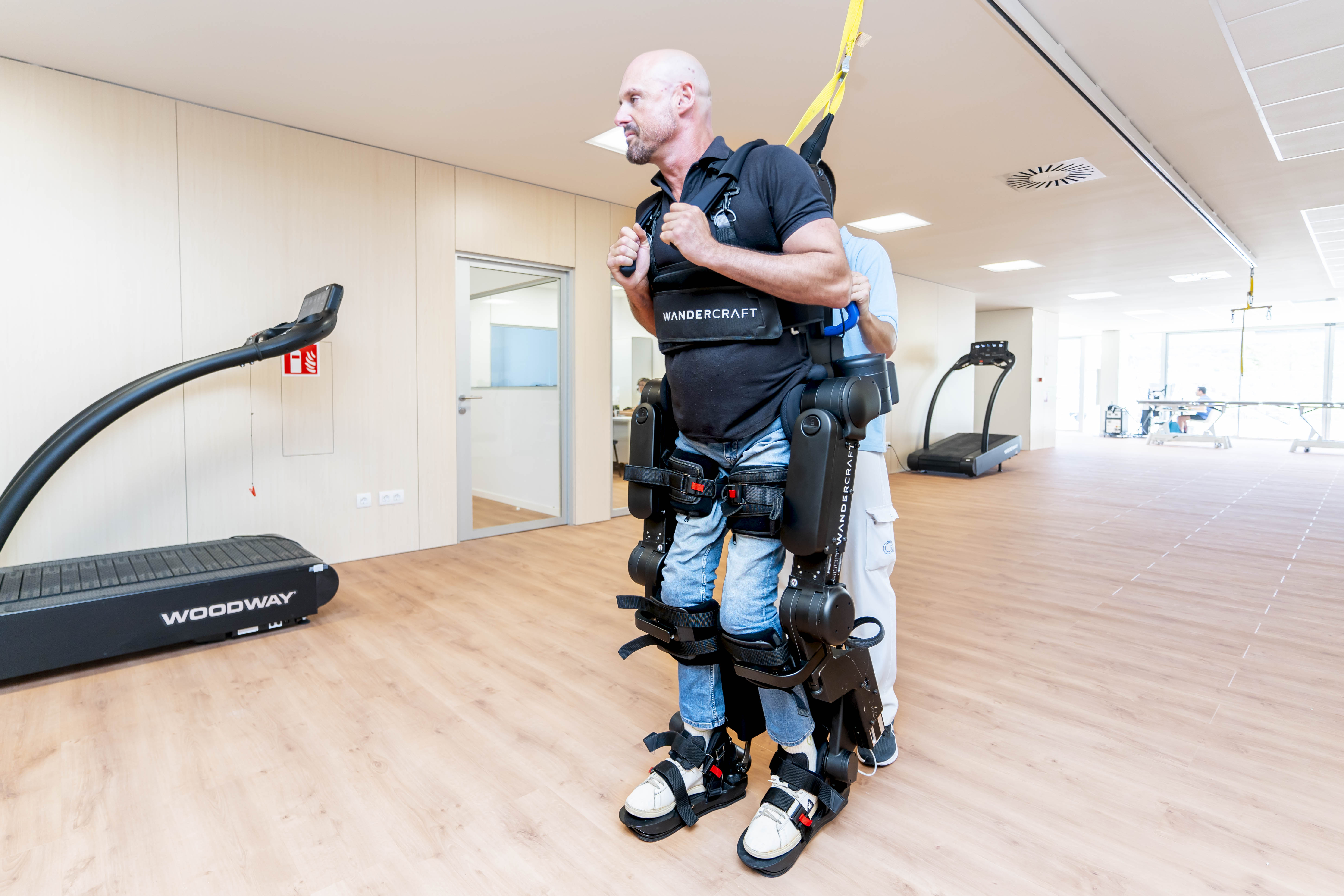
- We have started two new strategic projects in this same line: on the one hand, the study on the Atalante exoskeleton, from the French company Wandercraft, one of the most modern that currently exists and which incorporates more degrees of freedom than most existing ones, numerous adjustment parameters, independent joints and it is self-balancing, which generates a very natural gait. The research project in which we will participate is a multicenter European level, and aims to study the effects of this exoskeleton on the recovery of walking in patients with little or no ambulatory capacity after an ischemic stroke or hemorrhagic of less than 4 months of evolution.
- We have been granted a subsidy by the Department of Social Rights of the Generalitat within the Next Generation EU European Recovery Plan for the project “Comunitat FabLab de disseny i fabricació d’adaptacions funcionals per a les activitats de la vida diària a través de la impressió 3D_Rehab-Lab.Cat”.
Neurorepair and advanced therapies:
- We have completed the double-blind study in a project we are doing in coordination with the Blood and Tissue Bank and the Spinal Injuries Unit of the Juan Canalejo Hospital in A Coruña, with funding from the Institut Carles III. In the period 2022-23 we have recruited and infused 18 incomplete tetraplegic patients, with two doses to each participant and carrying out the planned follow-ups. Regarding the European trial “NISCI-NOGO Inhibition in Spinal Cord Injury”, funded by the European Horizon 2020 program, recruitment has been a success, despite the strict inclusion criteria set by the protocol. The study has ended and we are already in the phase of analyzing the results.
- it is also worth highlighting the ReGAIT project, financed by the State Plan of the Ministry of Science and Innovation, within the call for knowledge generation programs. Guttmann’s work in this project focuses on determining whether combining non-invasive spinal cord stimulation with gait rehabilitation reduces spasticity and facilitates recovery of lower extremity motor strength and walking ability in patients with incomplete spinal cord injury.
- The Institut Guttmann has entered as one of the members of the RED FUSION of the Ministry of Science and Innovation, in its last call this year. Within this program it is necessary to point out two pharmacological studies.
Neuropsychological rehabilitation and cognitive stimulation:
- We have continued the work of design and development of the proof of concept of the Universal Application of Automatic Treatments (AUTA), to enhance the intervention branch of the GNPT and to ensure that all the tasks we have are centralized in the same repository and more flexible, scalable and efficient web service.
- During this 2023, a very ambitious project has begun that will result in a new version of the GNPT platform for the last quarter of 2024. This update focuses on improving the technological architecture and the functionalities of the professional, which not only aims to solve the problems of stability and robustness of the current platform, but will allow the development of new business models, with an approach based on flexibility and scalability.
- Along these lines, we have continued to improve the digital cognitive assessment tool “Guttmann Cognitest“®, migrating the technology to be able to build a flexible solution that allows us to have a catalog of tasks that can adapt to needs and/or ·specific patient groups.
- Within the project “Interactive technologies for cognitive rehabilitation_ACTIVE VRain” of the Ministry’s Research Challenges program, we are fully in the experimental phase at Guttmann and we have a technological doctoral thesis in progress linked to these works.
- We have been granted and financed by the European Union the project “Continuous stratification for improved prevention, treatment, and rehabilitation of stroke patients using digital twins and AI_STRATIF-AI“, presented last year at the Horizon Europe call.
Brain Health:
- We were able to consolidate the brain health initiative Barcelona Brain Health Initiative (BBHI) and finally manage to give it continuity beyond the project initially financed by the Caixa and the Guttmann Institute itself. In this sense, it is worth noting the start of two projects that will provide external funding for research and innovation activities on the volunteer cohort.
- The first of them, and most relevant, is the start of a Speech Markers Research Project as a potential biomarker for the early diagnosis of Alzheimer’s disease. The Guttmann Institute, thanks to the BBHI cohort, has joined SpeechDx, a new Alzheimer’s Drug Discovery Foundation (ADDF) Diagnostic Accelerator (DxA) study, with the goal of developing biomarkers of sight and speech for Alzheimer’s and other neurodegenerative pathologies. Over three years, the project will collect data on the voice and cognitive state of 500 BBHI volunteers aged between 45 and 70. The second project related to this line is “toBrainHealth: Towards a personalized intervention model for increasing adherence and promoting Brain Health”.
- We have started a new project of the 2021 TV3 Marathon call, to study personalization strategies with brain health markers that can improve the personalization of treatments with non-invasive brain stimulation in patients with treatment-resistant depression, as a clear example of translation of research activities into clinical practice.

Social Research
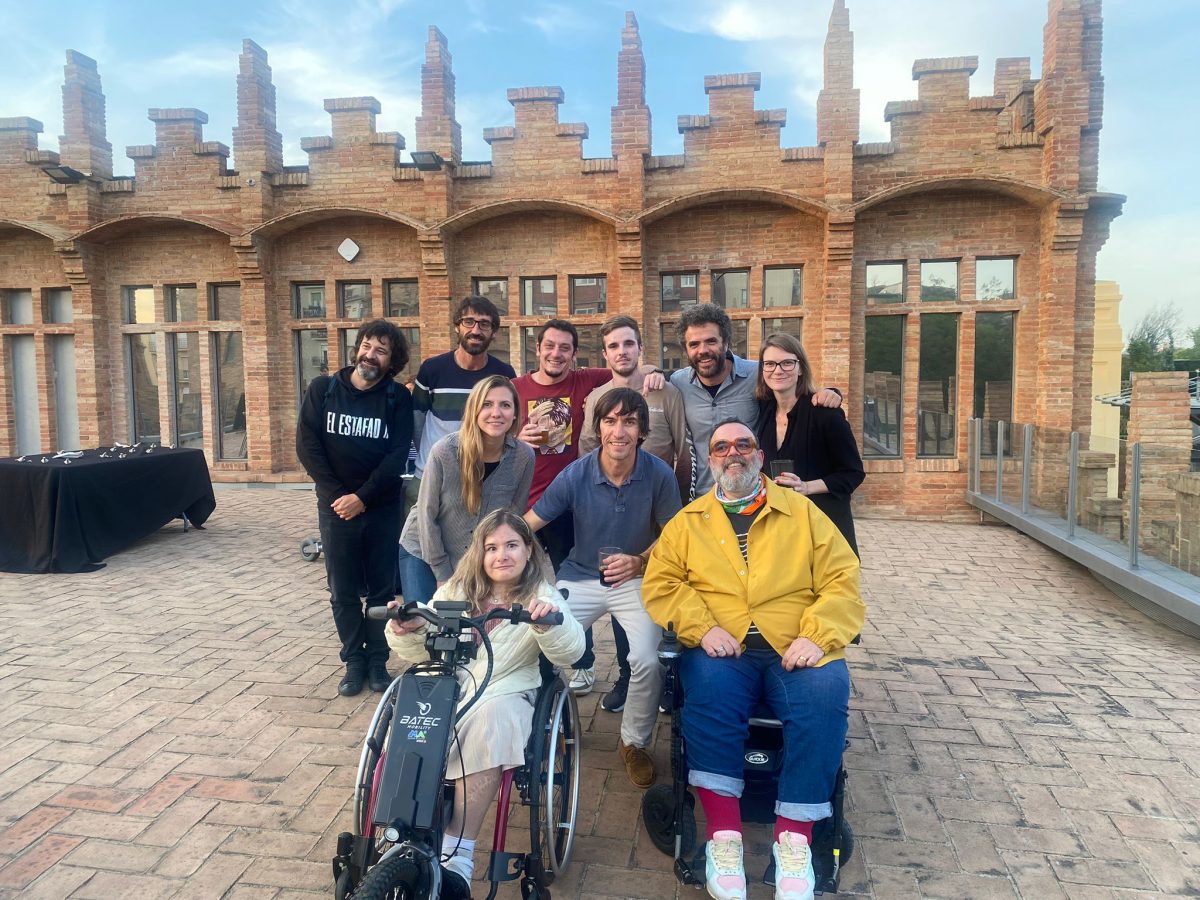
- As for the “Participa” social innovation research project, during 2023 numerous communication and dissemination actions for the project have continued to consolidate the cohort of volunteers. We currently have a cohort of more than 2,100 participants, who have answered almost 10,000 questionnaires. This data collection is beginning to bear fruit, and from its analysis we have already produced 3 scientific articles that are under review in indexed journals.

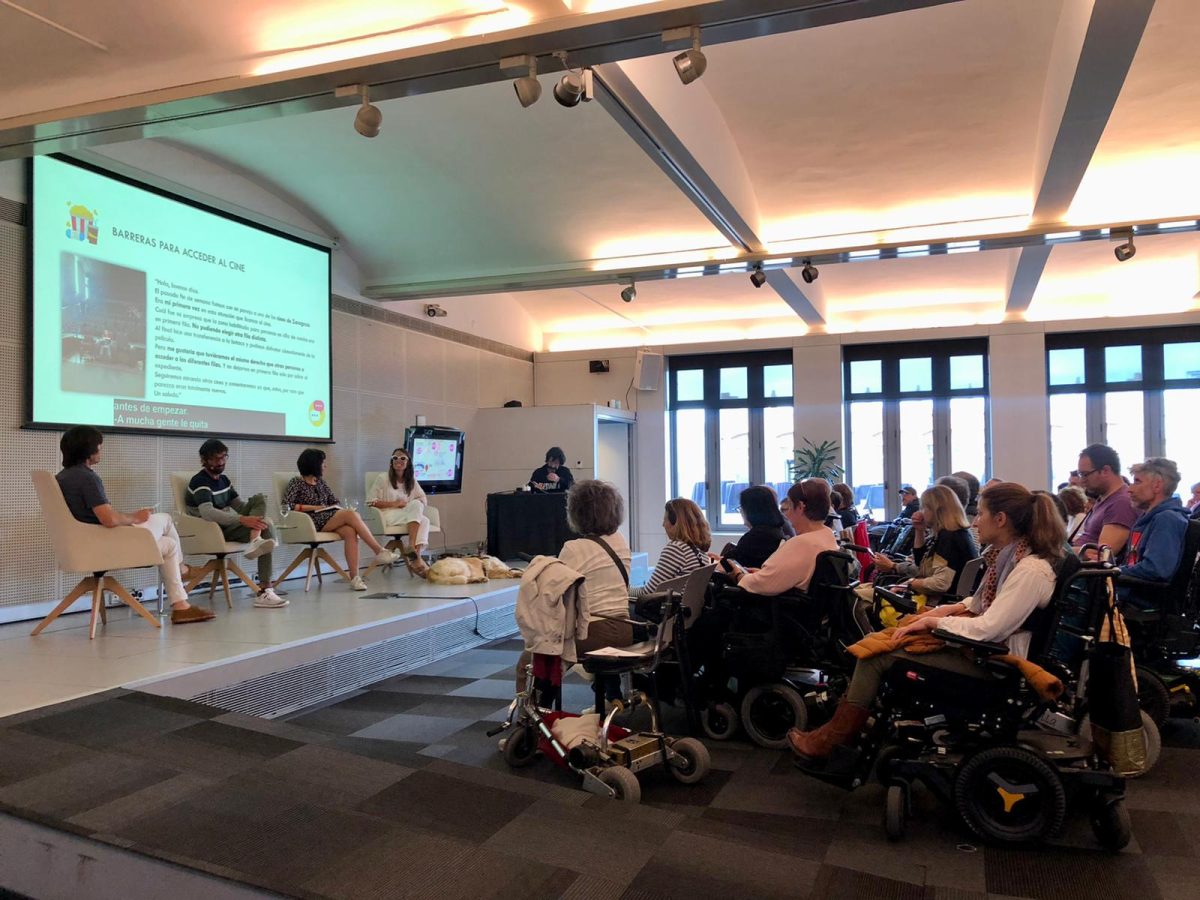
As for the project’s forum, we can already find more than 800 publications on more than 250 different topics. Finally, it should also be noted that last May the First PARTICIPA Conference was organized at the CaixaFòrum in Barcelona, where the results were presented and some of the findings of the project were discussed. As a continuation of this day, the first report of the project’s results was drawn up, published at the end of this 2023. Finally, the resources necessary to complete the second wave of data collection and its analysis have been foreseen and planned for the next 2 years.
SCIENTIFIC PRODUCTION 2022
In terms of scientific production, two Doctoral Theses linked to the Guttmann Institute have been defended this year. Regarding the line of brain health, María Redondo and Selma Delgado, both in the framework of the Doctorate of Medicine program of the Autonomous University of Barcelona, and María Cabello, in the framework of the Doctorate program of the University of Barcelona. Laura Sanmiquel also defended her doctoral thesis, in this case as part of the PARTICIPA project, in the PhD program of the Autonomous University of Barcelona. All four obtained the highest possible grade (Excellent Cum Laude).
This 2023 the professionals of the Guttmann Institute have published 42 articles in scientific journals indexed with an impact factor, which have accumulated an FI of 220.80 and of which 13 are in journals of the first quartile (Q1):
Articles published in indexed journals:
Articles published in non-indexed journals:
- Una pinzellada dels problemes de mobilitat per a les persones amb discapacitat . Alina Ribes . Social.cat. El diari digital de l’acció social a Catalunya – Opinions.
- Osificación heterotópica en isquion. Localización infrecuente. Lidia Ledesma Galey. Jose Manuel Méndez López. Revista Española de Cirugía Osteoarticular. SOTOCAV, Sociedad de Traumatología y Cirugía Ortopédica de la Comunidad Autónoma Valenciana. Nº 293, volumen 58.
- Perfusión de baclofeno intratecal para el tratamiento de la espasticidad. Rotura del catéter. Caso clínico. Lidia Ledesma Galey. Jose Manuel Méndez López. Revista Española de Cirugía Osteoarticular. SOTOCAV, Sociedad de Traumatología y Cirugía Ortopédica de la Comunidad Autónoma Valenciana. Nº 293, volumen 58. Enero-Marzo 2023
- Ilusiones visuales en pacientes con lesiones cerebrales posteriores. A propósito de un caso. Alberto García Molina. Antònia Enseñat Cantallops. Revista Chilena de Neuropsicología. 2023; 71:39-41
- Jean-Baptiste Bouillaud y el dogma de la tercera circunvolución frontal izquierda. Alberto García Molina. Jordi Peña Casanova. Neuroscience and history. 2023; 11:33-43
- Justo Gonzalo Rodríguez-Leal y Karl Kleist (Frankfurt, 1934-35). A. García-Molina. Neuroscience and history. 2023; 11:65-72
- La escuela de Wernicke. A. García-Molina, J. Peña-Casanova. Neuroscience and history. 2022; 10: 178-185
- Volem participar! Blanca Cegarra Dueñas. Joan Saurí Ruiz. Social.cat. El diari digital de l’acció social a Catalunya – Opinions. Diversitat Funcional.
- Neuropsicología del desarrollo. Antònia Enseñat Cantallops, Teresa Roig Rovira, Alberto García Molina. UNED, Editorial Síntesis 2023 . https://www.librosuned.com/LU31211/Neuropsicolog%C3%ADa-del-Desarrollo.aspx
- PARA-SCI-Spanish, Physical Activity Recall Assessment for People with Spinal Cord Injury – Spanish. Alex Castan Delshorts. Editat per la Fundació Institut Guttmann, juliol de 2023. ISBN: 978-84-09-53038-0
- Estimulación Transcraneal por Corriente Directa en el Tratamiento de la Fibromialgia. Buloz-Osorio E, Álvarez-Adarmes A. Rev Venez Med Fis Rehabil. 2023;9:35-38
- Casos clínicos en telesalud mental, 1.ª Edición. Don Juan José Martí-Noguera y Don Felipe Soto-Pérez. Elsevier España. ISBN: 978-84-1382-493-2
- Capítulo 9: Tratamiento neuropsicológico de una paciente con daño cerebral adquirido mediante plataforma de telerrehabilitación cognitiva. Rocío Sánchez-Carrión, Alberto García Molina, Pablo Rodríguez Rajo, Antònia Enseñat Cantallops
- Barreras en las relaciones interpersonales de las personas con discapacidad. Testimonios de los participantes del proyecto PARTICIPA. Cegarra Dueñas, B., Ribes Martínez-Márquez, A. y Saurí Ruiz, J. (2023). Revista Española de Discapacidad, 11(2), 167-173
- Inclusión social y derechos de ciudadanía de las personas con discapacidad. Matulic, M. V., et al.. Barcelona, Facultat d’Educació, Universitat de Barcelona, Edicions Saragossa, 2023, 437 p. Catálogo CEDID, Centro Español de Documentación e Investigación sobre Discapacidad. Módulo 10. Fronteras de la inclusión
- Vida independiente e inclusión comunitaria. Blanca Cegarra Dueñas y Anna Suñé Peremiquel